




























ARECO-RWANDA NZIZA has called on paint manufacturers in Rwanda to change their production practices and completely eliminate the use of lead, also known as plomb, because of its potential health risks, particularly to young children and pregnant women.

The call was made on 4 November 2026 during a multi-stakeholder dialogue held in Kigali, where participants discussed strategies to prevent lead poisoning and identify solutions to ensure safer products are available on the market.
The meeting was organized by ARECO-RWANDA NZIZA in collaboration with the Rwanda Inspectorate, Competition and Consumer Protection Authority (RICA) and the Ministry of Environment (MoE), with support from the Lead Exposure Elimination Project (LEEP). It was held as part of the 2026 International Lead Poisoning Prevention Week.
The dialogue brought together representatives from government institutions, product regulatory authorities, development partners, higher learning institutions and universities, non-governmental organizations, and paint manufacturing companies.
ARECO-RWANDA NZIZA Vice Chairman Balthazar Twagilimana emphasized the need for collective action among all stakeholders to end the use of lead in paint production and raise public awareness about its dangers.

ARECO-RWANDA NZIZA Vice Chairman Balthazar Twagilimana
He explained that exposure to lead can have serious health consequences, including damage to children’s brains, impaired development, and adverse effects on reproductive health.
“Our wish, as ARECO-RWANDA NZIZA and its partners, is to see lead, also known as plomb, completely eliminated from paint production and other products associated with lead. We must all become advocates for this cause and do everything possible to ensure that this toxic substance is entirely phased out,” he said.
A representative of the World Health Organization (WHO) also highlighted the serious health problems associated with lead exposure. During the discussions, participants stressed the importance of encouraging manufacturers to identify safer alternatives that can replace lead without harming human health or the environment.
Government Urges Shift from Lead Detection to Prevention
The Guest of Honour, Clément Uwimana, representing the Ministry of Environment (MoE), said preventing lead poisoning from paint was essential to protecting both human health and the environment.
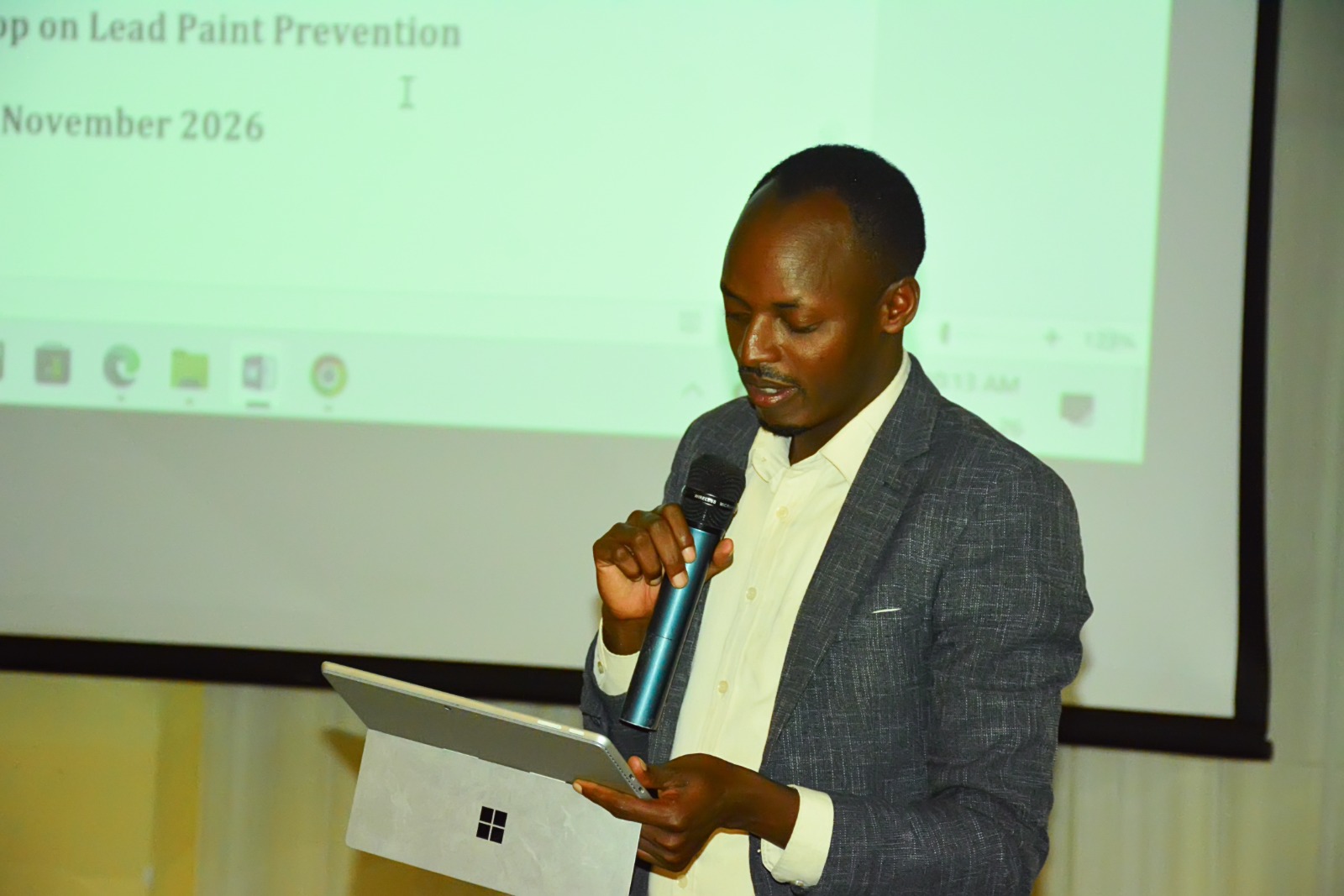
The Guest of Honour, Clément Uwimana, representing the Ministry of Environment (MoE)
He highlighted the serious health consequences of lead exposure, particularly for children and pregnant women, explaining that the chemical can damage brain development and the nervous system, potentially affecting children’s learning abilities and overall health.
He added that adults exposed to lead may also face serious health complications, including heart and kidney diseases, as well as reproductive health problems.
The dialogue, held under the theme “From Detection to Prevention,” provided an opportunity to emphasize the need to move beyond simply identifying lead in paint and focus on preventing its use in the first place.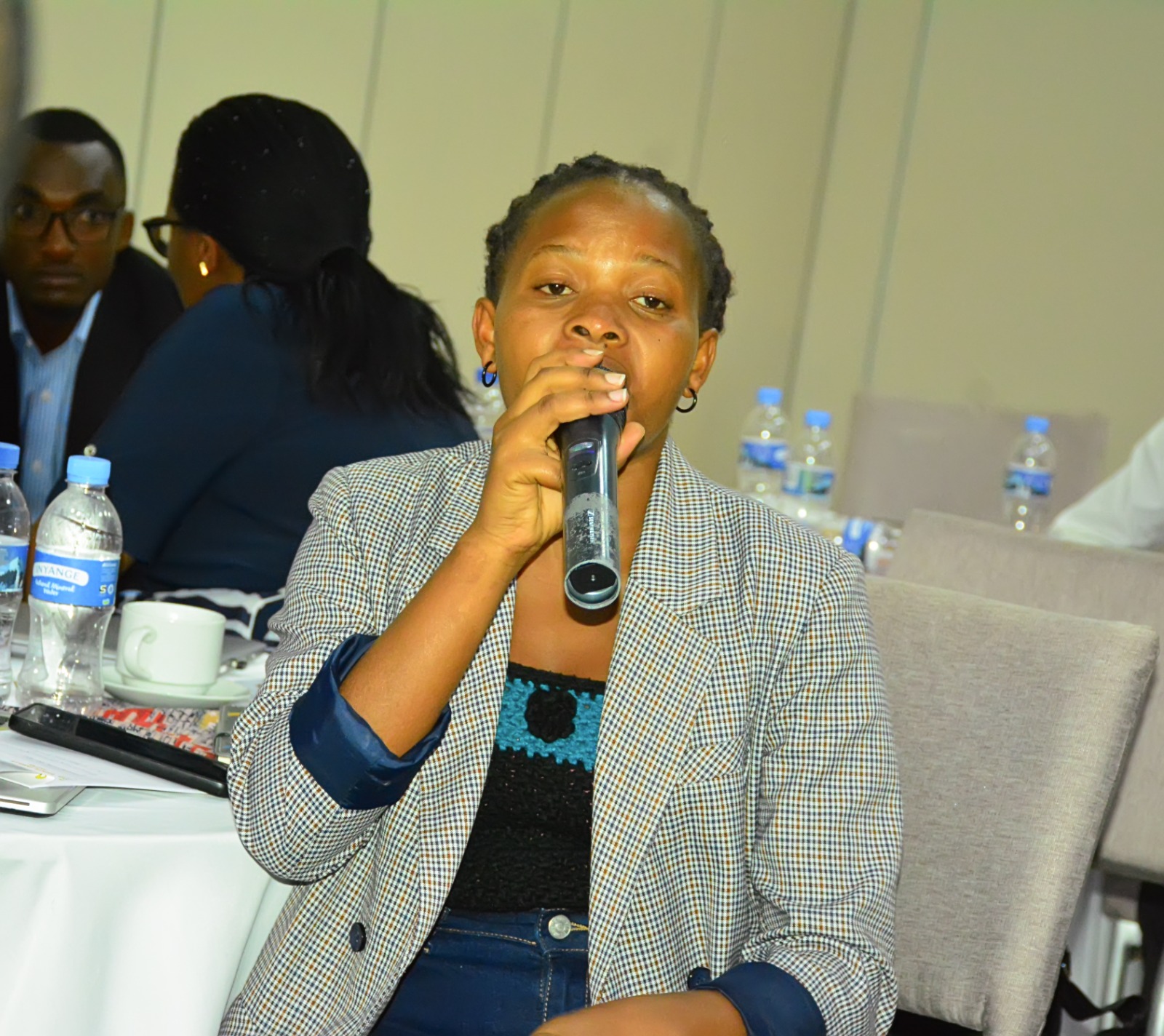 Uwimana called for strict compliance with quality standards, stronger inspections, the use of modern technology in product testing, and the promotion of lead-free paints.
He further urged government institutions, the private sector, paint manufacturers and importers, development partners, and non-governmental organizations to work together to protect public health and build a safer, environmentally sustainable Rwanda.
Paint Manufacturers Highlight Challenges in Phasing Out Lead
Paint manufacturers acknowledged the role of lead in providing specific colours and improving paint drying time, which they said could make products more appealing to customers.
Although manufacturers expressed support for efforts to develop lead-free paints, they acknowledged that changing existing production processes would not be easy.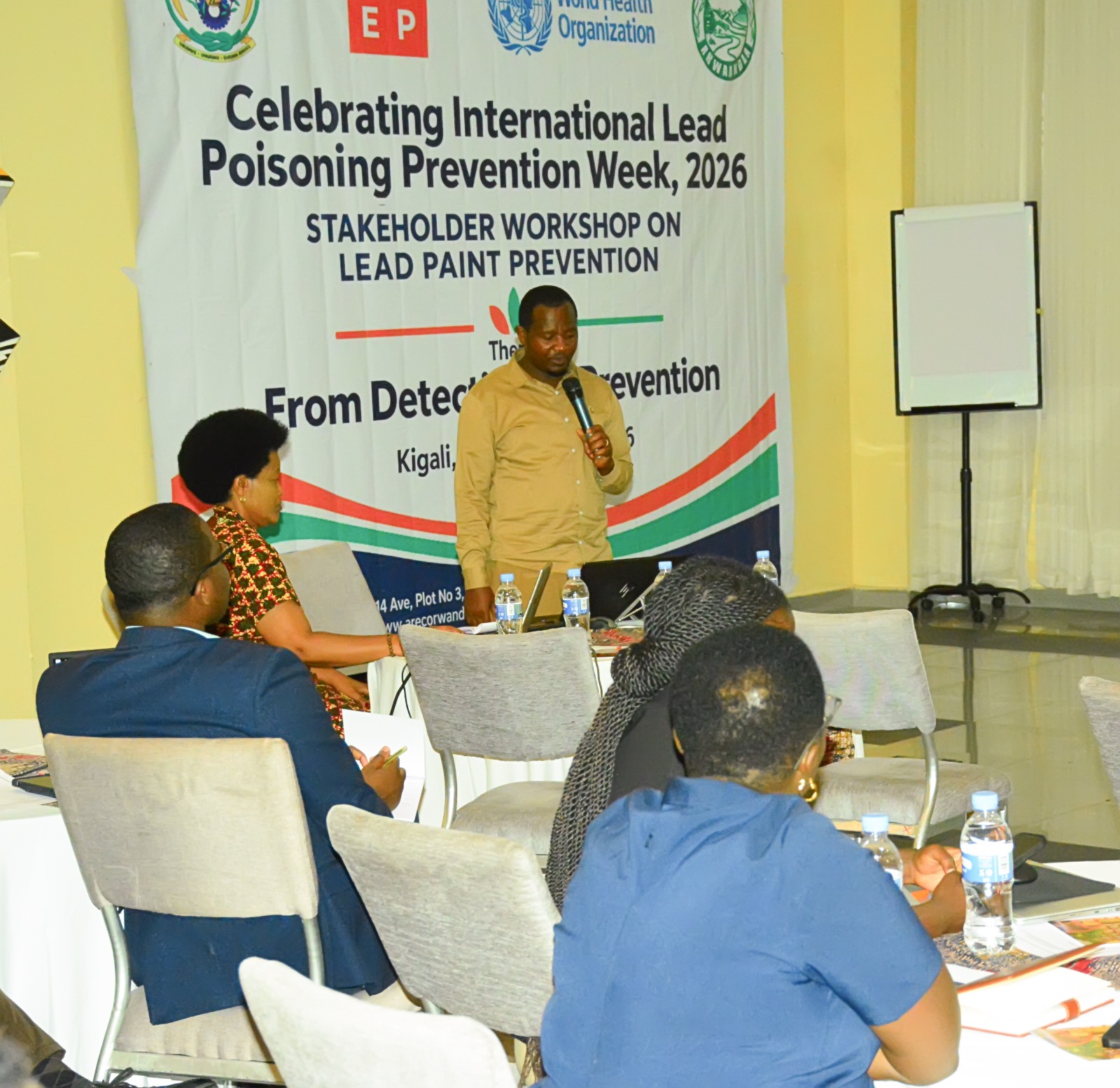
Among the challenges they identified were the high cost of alternative materials, possible changes in paint colours and quality, differences in drying time, and concerns about whether consumers would be willing to purchase more expensive products.
Nirere Marie Chantal, who represented AMACO Paints at the meeting, said the company had already assessed the risks associated with lead and was exploring alternative materials that could be used to manufacture lead-free paints.
She acknowledged that some of these alternatives could be more expensive but stressed the importance of finding solutions that protect public health.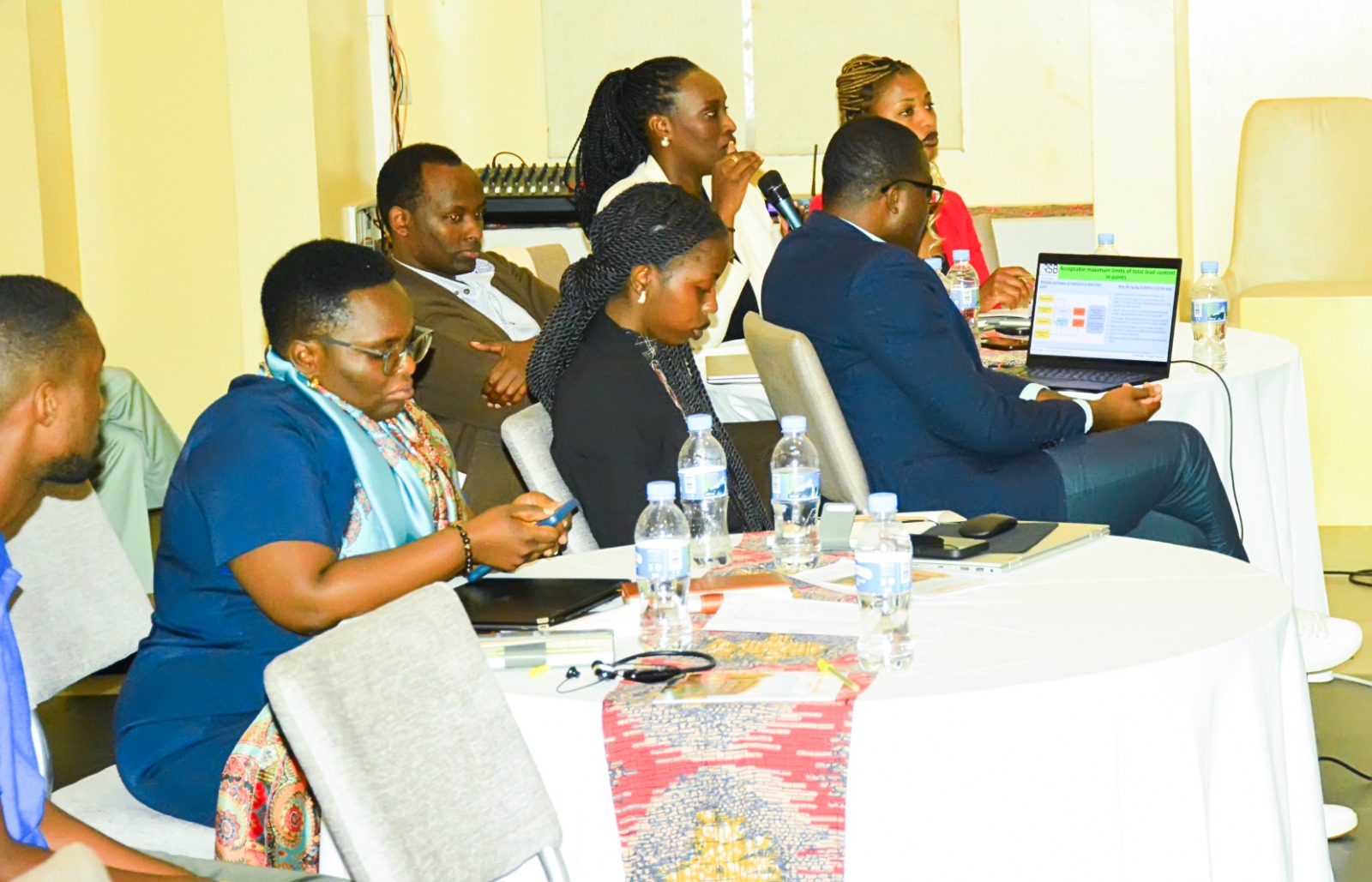
“We are exploring ways of using alternative materials that meet quality standards and do not contain lead. However, these alternatives may be more expensive, which raises an important question: Will consumers be willing to buy and use these products despite their higher prices?” she said.
She further explained that research conducted by the company on the health risks of lead in paint had revealed that even dried paint could continue to pose risks, particularly to children and pregnant women who may be exposed to the chemical.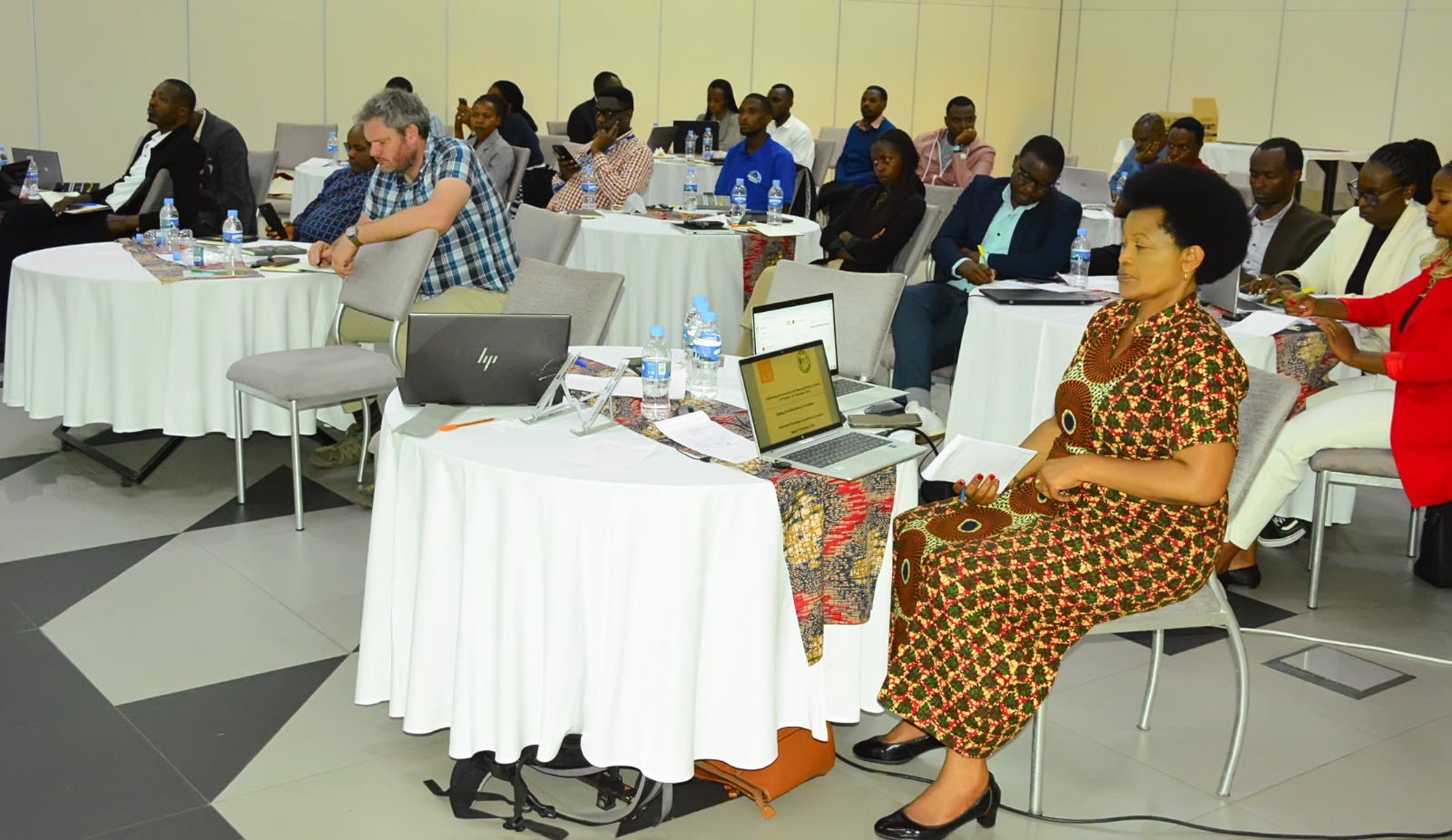
She said the company was committed to adopting modern paint manufacturing methods, although the cost of alternative materials remained a major challenge.
“It would be better to offer a more expensive product that meets the required quality standards, but the challenge remains,” she said.
These concerns highlight the fact that eliminating lead from paint requires more than simply calling on manufacturers to stop using it. There is also a need to support them in accessing affordable alternative materials and strengthening their technical capacity to adopt safer production technologies.
Lead Exposure Risks Extend Beyond Paint Products
Discussions during the meeting also highlighted that paint is not the only potential source of lead exposure, as other chemical substances found in everyday consumer products can also pose serious health risks.
Participants noted that certain household items, kitchen utensils, water pipes and drinking-water equipment, cosmetics and personal care products, as well as other consumer goods that have not undergone adequate safety testing, may contain harmful chemicals that threaten public health.
This highlighted the importance of strengthening product testing and market surveillance systems to identify potentially hazardous products and take appropriate preventive measures.
Government institutions and market regulatory authorities also emphasized the need to improve enforcement of existing laws and standards aimed at protecting consumers and the environment.
Participants further highlighted the importance of facilitating manufacturers’ access to safer alternative materials and chemicals to enable them to transition towards lead-free production.
Collective Action Needed to Protect Public Health
Other proposed measures included expanding public awareness campaigns on the dangers of lead exposure, strengthening the capacity to test paint products, monitoring goods available on the market, and supporting manufacturers in adopting technologies that enable the production of lead-free products.
ARECO-RWANDA NZIZA maintains that preventing lead poisoning should not be the responsibility of government institutions or manufacturers alone. Rather, it requires the involvement of all stakeholders, including consumers who use these products.
The meeting reinforced the need to combine public health protection with practical technological and economic solutions that enable manufacturers to transition towards safer production practices.
The key challenge remains how paint manufacturers can completely eliminate lead while continuing to produce high-quality paints at prices that consumers can afford.