

























10,000 young people across Africa are set to benefit from the new USD $275.7 million partnership, which will expand the engineering and technology, research, and entrepreneurship programs at Carnegie Mellon’s Kigali location and help to strengthen Africa’s technology, innovation, and research ecosystem.
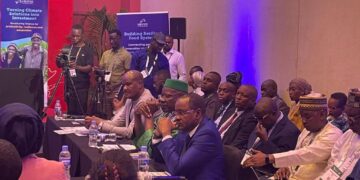
Carnegie Mellon University (CMU) and the Mastercard Foundation, in collaboration with the Government of Rwanda, today announced a transformational investment in higher education and innovation in Africa to catalyze opportunities for 10,000 young people from economically disadvantaged communities.
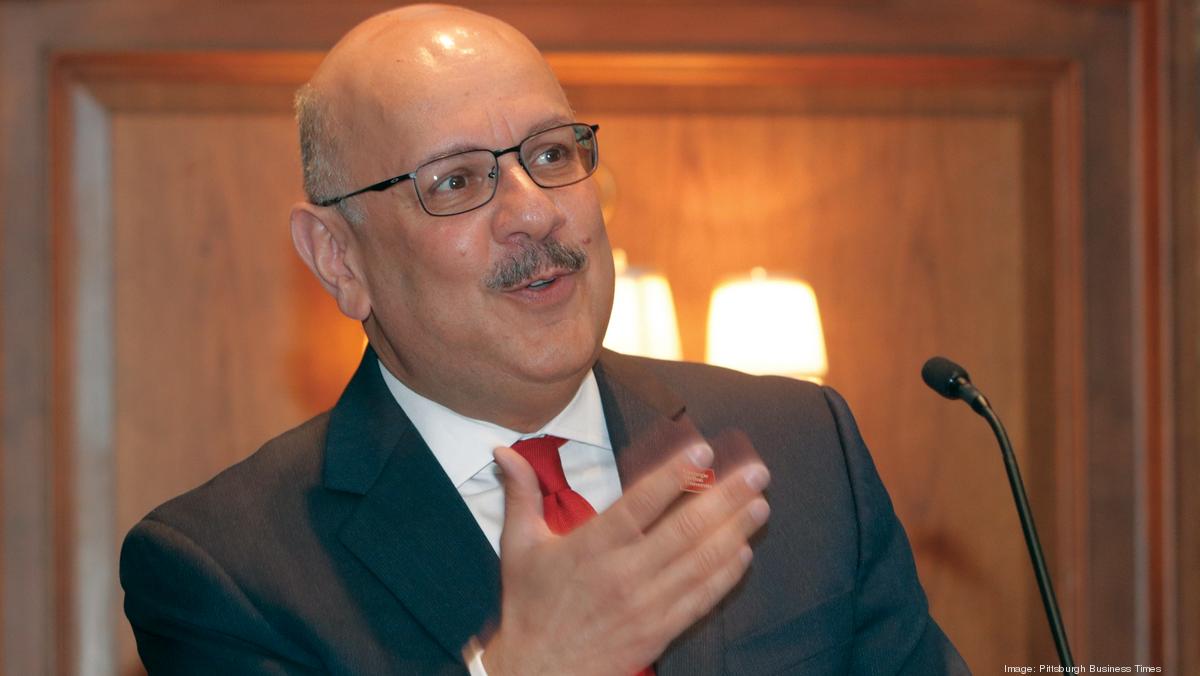
“The key to creating opportunities for promising African students from all socioeconomic backgrounds is access to education in the high-tech fields that are driving the economies of the future,” said Farnam Jahanian, president of Carnegie Mellon University.


The $275.7 million partnership with the Mastercard Foundation will significantly expand advanced engineering and technology education at CMU-Africa in Kigali.
The investment from the Foundation includes a $175M endowment to perpetually fund CMU-Africa and $100.7M to establish CMU-Africa’s Center for the Inclusive Digital Transformation of Africa.
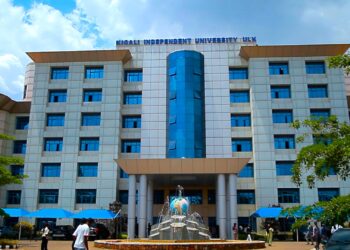
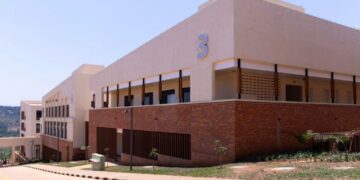
Carnegie Mellon is the only U.S. research university with master’s degree programs and full-time faculty, staff, and operations on the continent, established in 2011 through a partnership between Carnegie Mellon University and the Government of Rwanda.
Through the strategic collaboration and generous support of the Government of Rwanda and the Rwandan people, CMU-Africa has built a strong educational platform that serves the continent.
“We are grateful to the Mastercard Foundation for their partnership with CMU over the past six years to help empower the next generation of Africa’s leaders, and we are delighted to be expanding our partnership even further. With this new collaboration, we will accelerate our shared mission and provide life-changing educational and career experiences for students across the continent.” Farnam said.
By 2030, there will be 375 million young people in the job market in Africa, and that number is expected to grow to more than a billion people within the next few decades.
Reeta Roy, president and CEO of the Mastercard Foundation commented that Mastercard Foundation Scholars and graduates from this program will be at the forefront of creating technologies and companies that will generate jobs and enhance Africa’s economic competitiveness.
“We are excited that this initiative will strengthen the role of African universities in developing the continent’s scientists, innovators, and problem-solvers as well as generating knowledge that will benefit society more broadly,” Roy explained.
The new initiative builds on a previous partnership between the Mastercard Foundation and Carnegie Mellon University, as well as a successful 10-year partnership between the Government of Rwanda and CMU-Africa that has connected 561 young people from 21 African countries to world-class training—including 125 students supported through the Mastercard Foundation Scholars Program.
Rwanda’s education minister Valentine Uwamariya appreciated the strategic partnership with Carnegie Mellon University as one of Rwanda’s key investments to support the development of a critical mass of skills in science and technology, particularly in ICT, required by the knowledge economy and to help accelerate Rwanda’s and the region’s socioeconomic transformation.
“We express our sincere appreciation to the Mastercard Foundation for their significant support, which will help Rwanda realize its vision for the future in establishing the Regional Center of Excellence in Rwanda (CMU-Africa) and ensure the sustainability of the program. The Regional Center of Excellence, coupled with other important strategies will help ensure that we are part of, and benefit from, the global digital revolution,” said Minister Uwamariya.

engineering, and engineering artificial intelligence through Carnegie Mellon’s top-ranked College of Engineering, with the same standards, curricula, and requirements as its Pittsburgh campus. As of spring 2022, the program enrolled over 230 students representing 21 African countries.
William Sanders, the dean of the College of Engineering commented that “The Mastercard Foundation’s support will enable us to accelerate our Africa strategy, which is uniquely defined to prepare higher education students to meet the complex needs of the digital future along with the research and entrepreneurship necessary to compete in the global economy”
According to CMU-Africa data, alumni close to 90 per cent get employment within the first year of graduation. Its alumni have founded or joined startup companies, are pursuing their Ph.D.’s in top doctoral programs in the U.S. and Europe, and are serving in government information offices, including within the Government of Rwanda and the World Bank.
“The Mastercard Foundation has been a critical partner in the growth of CMU-Africa as we help meet the growing demand for high-quality technical talent who will accelerate development on the continent,” said Allen Robinson, director of CMU-Africa and associate dean for international programs in Africa. “This new, extraordinary phase of our relationship will exponentially magnify our ability to build a pan-African network that positively impacts the future of young people across the continent.”